Medical billing services that write nothing off
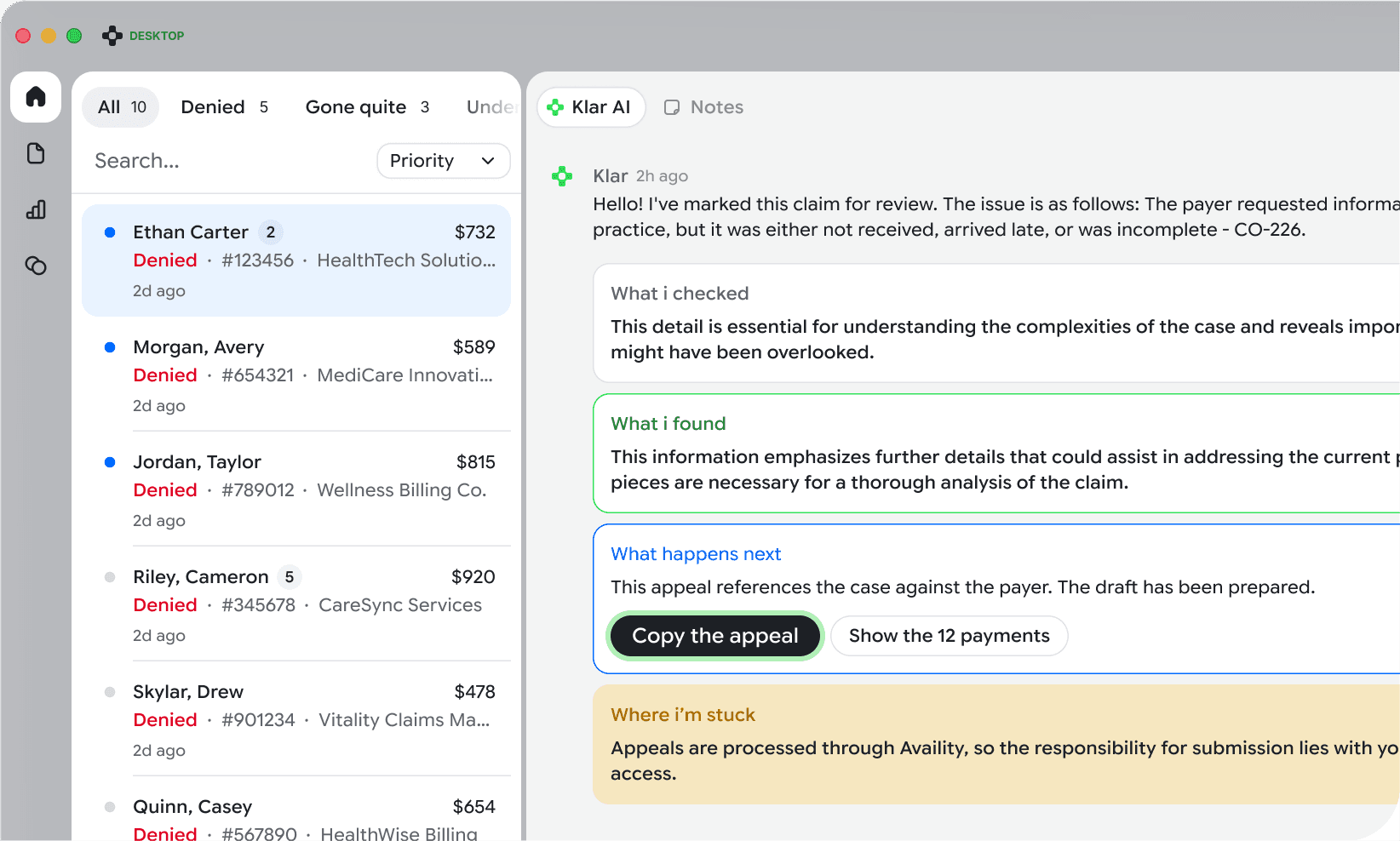
Medical billing services take claim submission, denial work and collections off your practice and run them for you, usually for a share of what they collect. Klar does that job end to end, from submission to payment: it checks and files every claim, works every denial by what it is worth, and shows you each action as it happens.
- Works with your EHR
- HIPAA compliant
- No new clearinghouse
What does a medical billing service actually do?
Five jobs, from the moment a visit is coded to the moment the money lands. Practices judge a service on the first three because those show up as activity. The fourth is where the money is.
Claim submission
Charges become clean claims and go out through your clearinghouse, with the codes, modifiers and attachments each payer expects.
Payment posting
Remittances are read and posted against the right claim, so your ledger matches what the payer actually did.
Patient billing
Statements, balances and the patient share of a claim, once insurance has adjudicated it.
Denials and underpayments
Every denied and short-paid claim investigated, corrected and appealed. This is the work that gets dropped first and costs the most.
Reporting
What was billed, what was collected, what is still outstanding, and how old it is.
What gets written off, and why you never see it
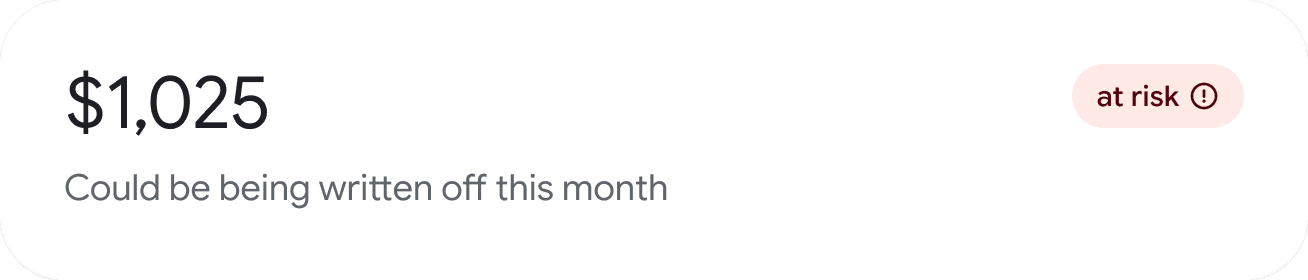
A denial is not a decision, it is a message. The payer states a reason code, and that code tells you whether the claim needs a correction, a document, an appeal, or nothing at all because the money was never collectable.
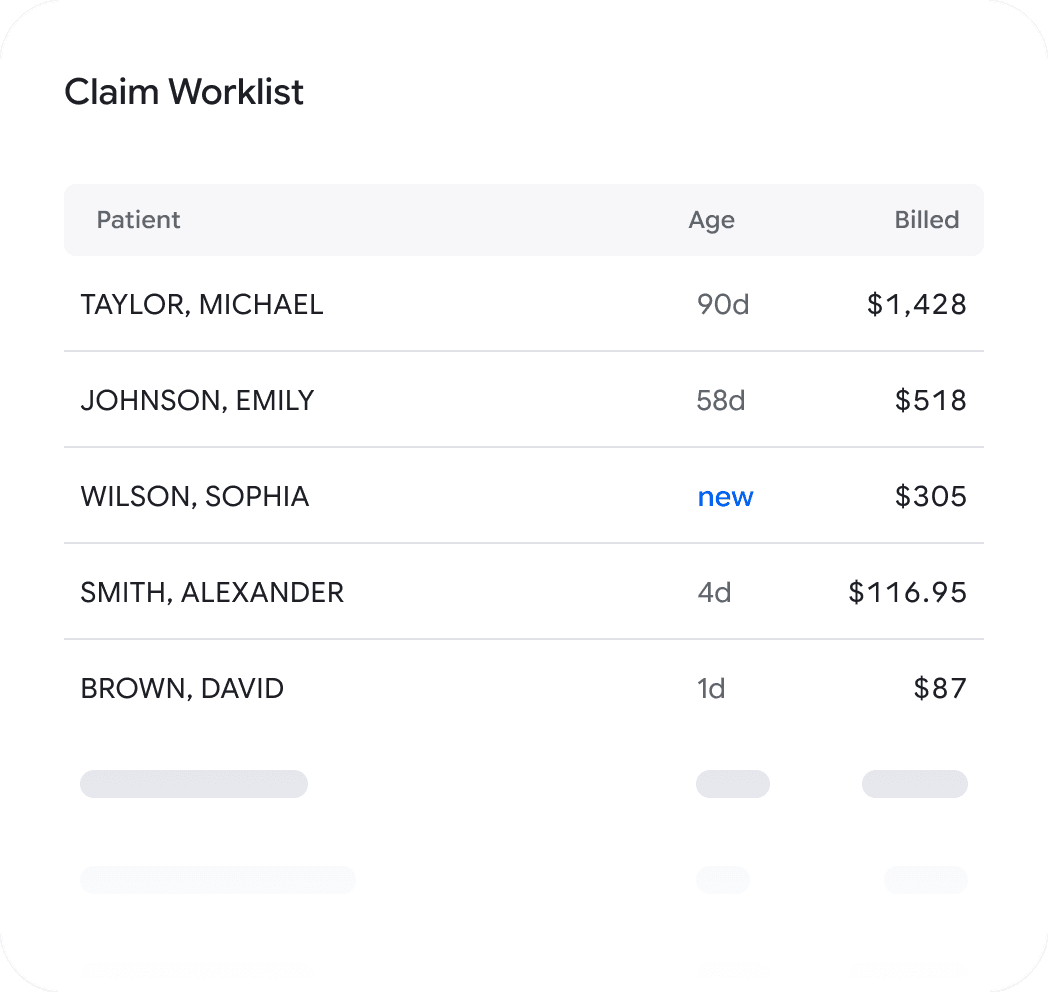
Reading those codes takes time, and a biller with a full queue rationally works the easy ones first. The large denial that needs a real appeal sits behind ten small adjustments, ages past its filing deadline, and becomes a write-off nobody chose to make.
Klar ranks the work by what it is worth rather than by what is quickest, so the largest claim is worked first and nothing expires quietly.




How Klar works a claim
Five stages, and a person signs off on every one that leaves the building.
| Stage | What Klar does | What your team does |
|---|---|---|
| File | Checks every claim before it goes, shows you anything it changes, and files it through your clearinghouse. | Files them the way you file today, once Klar's checks are clear. |
| Track | Follows the claim to the payer and watches for the response, without your team logging into a portal. | Nothing. |
| Read the denial | Reads the remittance, translates the reason and remark codes into plain English, and states what the payer actually asked for. | Nothing. |
| Work it | Ranks the denial by what it is worth, drafts the correction or the appeal, and attaches the evidence it used. | Approves, edits, or tells Klar it has the wrong plan. |
| Close it | Confirms the payment landed, records what worked, and remembers the payer's behavior for next time. | Nothing. |
What stays under your control
Klar investigates and drafts. Every claim carries the payer's reason and remark codes, decoded, what Klar checked and what it proposes — and a person approves the next step before anything is sent.
That is a design choice rather than a limitation. A billing platform that acts without a person in the loop is one that can be wrong at volume, and here being wrong at volume means filing deadlines missed and appeals wasted.


The two questions every practice asks
Do you have to change your EHR or clearinghouse?
No. Klar connects to the EHR you already run and to the clearinghouse already delivering your remittances, so your claims keep routing the way they route today.
It reads the remittance files your practice already receives, which means no new payer enrollment and no change to where your money goes. Claim data is handled under signed agreements.
How is Klar priced?
On performance, as a share of the additional revenue the platform recovers. If nothing extra is collected, there is nothing to pay for.
That is a deliberate contrast with a percentage-of-collections contract, where the fee is charged on money you would have collected anyway. Tell us how you are billed today and we will show you what the same book looks like on Klar.
By specialty
Billing differs enough between specialties that the denials do too. These pages cover the codes, payer rules and denial patterns specific to each.
Billing by specialty
Each specialty loses money in its own places. These pages cover where.
Questions practices ask, answered
Still unsure? Contact usThird-party billing services are normally paid a percentage of what they collect for you, with the rate varying by specialty, claim volume and how much of the work they take on. Klar is priced differently — on a share of the additional revenue the platform recovers, so the fee is tied to money you would not otherwise have seen.
Claim submission, payment posting, patient billing, denial and underpayment work, and reporting. Ask any prospective partner how they prioritize denials specifically — that answer separates services that recover money from services that only process it.
There is no neutral ranking, and most lists you will find are written by the company sitting at the top of them. Judge a partner on three things instead: whether they work every denial or only the quick ones, whether you can see each action as it happens, and what happens to your existing accounts receivable on day one.
You keep both. Your team works in Klar rather than your EHR's billing screens, and claims still route through your clearinghouse.
Klar works your existing AR from day one, taking the highest-value claims first and flagging anything close to a timely filing deadline.
Most practices are live in weeks, not months. Klar handles the connections and the historical load.
Klar was built around protected health information from the start rather than retrofitted, and data is encrypted.